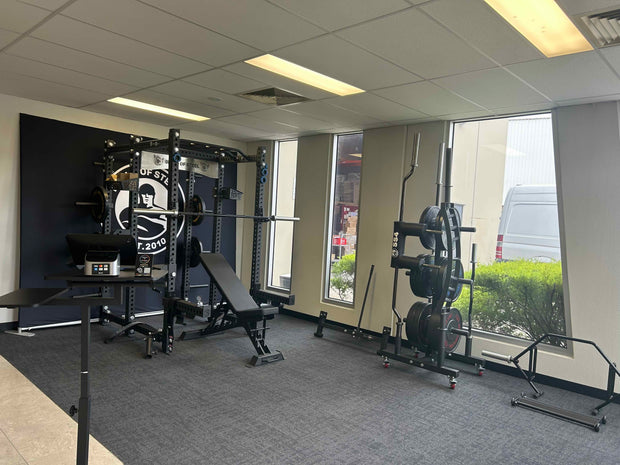
The best space-saving home gym equipment is gear that does more than one job, stores vertically or folds away, and still lets you train safely and progressively. Think compact racks, adjustable weights, and all-in-one systems—not tiny gimmicks that limit what you can actually do.
If your equipment earns its footprint, it’s worth the space.
Why This Question Matters
Most people asking this question aren’t trying to build a “minimalist” gym for fun. They’re working with real constraints: apartments, shared garages, low ceilings, tight budgets, or all of the above.
The confusion usually comes from two places:
- Assuming “space-saving” means “lightweight, limited, or beginner-only”
- Getting overwhelmed by gear labelled as compact but not actually practical long-term
The goal isn’t to shrink your training. It’s to shrink the clutter without shrinking your results.
Practical Breakdown: How to Think About Space-Saving Equipment
What actually matters
- Versatility per square foot - How many exercises does this unlock?
- Vertical storage or fold-away design - Floor space is premium. Walls are underused.
- Safety for solo training - Compact shouldn’t mean sketchy.
- Progression potential - Can you keep using this as you get stronger?
What’s optional
- Dedicated machines for single movements
- Full dumbbell runs
- Multiple versions of the same tool
- Equipment that looks clever but limits load or range of motion
If it only does one thing and takes up permanent floor space, it better do that one thing really well.
Common Space-Saving Mistakes
Mistake 1: Going too minimal
Ultra-compact gear that caps load or stability gets outgrown fast.
Mistake 2: Ignoring storage
Great equipment becomes a nightmare if it lives on the floor.
Mistake 3: Buying “portable” instead of “practical”
If setup and teardown are annoying, you’ll stop using it.
Mistake 4: Sacrificing safety to save space
No amount of square footage is worth risking an injury.
How Space, Budget, and Goals Change the Answer
- Small apartment + general fitness: prioritize adjustable, storable gear
- Garage + strength focus: compact racks and vertical plate storage win
- Shared space: foldable and modular setups matter more than max capacity
- Tight budget: fewer, higher-utility pieces beat lots of cheap gear
Space-saving isn’t about owning less. It’s about owning smarter.
Equipment Recommendations (Value-First)
Compact Power Racks, Half Racks, and Squat Stands
These cover squats, presses, benching, and often pull-ups without dominating a room. Short racks, half racks, and well-designed squat stands with safeties give you barbell training in a much smaller footprint than full commercial setups.
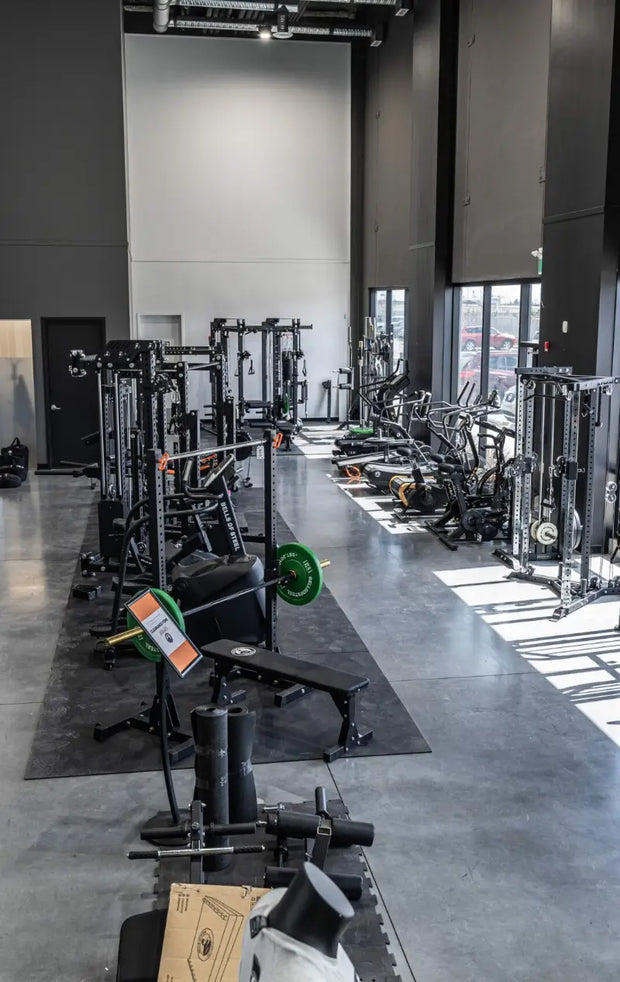
They’re one of the best space-to-value investments you can make, especially when paired with vertical plate storage. You can see Bells of Steel’s space-conscious rack options here.
Foldable or Wall-Mounted Racks
If you’re training in a garage or shared space, foldable racks are a game-changer. They give you full barbell functionality when you’re training and give the space back when you’re done.
Trade-off: slightly more setup time. Payoff: your car fits again.
All-in-One Trainers
All-in-one trainers combine barbells, cables, pull-ups, and guided lifting into a single footprint. They’re ideal if you want maximum exercise variety without filling the room with separate machines.
They cost more upfront, but they replace multiple pieces of equipment and keep everything contained. For small spaces with big goals, that trade-off often makes sense.
Adjustable Dumbbells
Instead of a full dumbbell rack eating an entire wall, adjustable dumbbells let you train heavy and light with one compact setup. They’re perfect for accessory work, unilateral training, and circuits.
The key is choosing adjustable systems that feel solid and are quick to change—otherwise they become a hassle.
Kettlebells
A couple of kettlebells can replace a surprising amount of equipment. Swings, squats, presses, carries, conditioning—they’re compact, durable, and easy to store.
You don’t need a whole set. One or two well-chosen weights go a long way. Or get a full set of kettlebells in one adjustable kettlebell.
Vertical Plate Storage
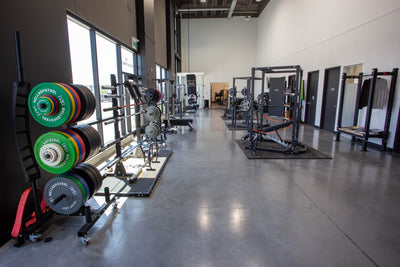
Plates stored on the floor waste space and create obstacles. Vertical storage—either rack-mounted or wall-mounted—keeps your training area usable and safer.
This is one of the simplest upgrades with the biggest impact in small gyms.
Benches That Store Easily
A single adjustable bench covers pressing, rows, split squats, and accessories. Look for benches that store upright or tuck away easily so they don’t permanently block walkways.
Benches earn their space fast when they’re stable and easy to move.
Real-World Space-Saving Home Gym Examples
Apartment or Condo Setup (8×8 Feet)
This setup usually comes with low ceilings and limited floor space.
A solid approach:
- Short rack or squat stands with safeties
- Short or standard barbell (depending on wall clearance)
- Adjustable bench
- Vertical plate storage
- One kettlebell
This setup supports full-body strength training without turning your living room into a permanent obstacle course.
Shared Garage Setup (One-Car Bay)
Garages are the most common “small” home gym space.
A practical build:
- Foldable wall-mounted rack or half rack
- Standard barbell and plates
- Adjustable bench
- Rack-mounted plate storage
- Optional portable conditioning tool
You get serious training capability while still being able to reclaim the space when needed.
FAQ: Space-Saving Home Gym Equipment
Do I really need a rack if space is tight?
Not always, but some form of safeties is strongly recommended if you’re using a barbell. Squat stands or compact racks solve this without taking over the room.
What if I have very limited space?
Focus on adjustable gear: adjustable dumbbells, kettlebells, a bench, and possibly squat stands. You can train effectively without a dedicated room.
What’s the minimum setup I can get away with?
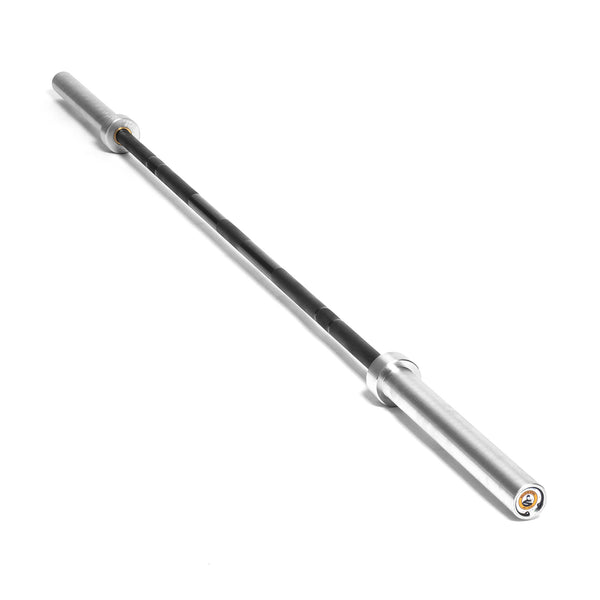
A barbell and plates or dumbbells, some form of uprights (squat stand or rack), and a bench. Everything else is optional.
Are foldable racks safe?
Yes—when they’re well-designed and properly installed. They’re built for real loading, not just convenience.
Is space-saving equipment more expensive?
Sometimes upfront, but often cheaper long-term because it replaces multiple pieces and reduces the urge to upgrade later.
Can space-saving equipment still support heavy lifting?
Absolutely. Compact doesn’t mean weak. Good design matters more than size.
Bottom Line
The best space-saving equipment doesn’t ask you to train smaller—it asks you to train smarter. Focus on versatility, safety, and storage, and you can build a serious home gym in far less space than you think.
Start with a few high-value pieces. Let your setup grow with your training. Your gym doesn’t need more square footage—it just needs better decisions.